
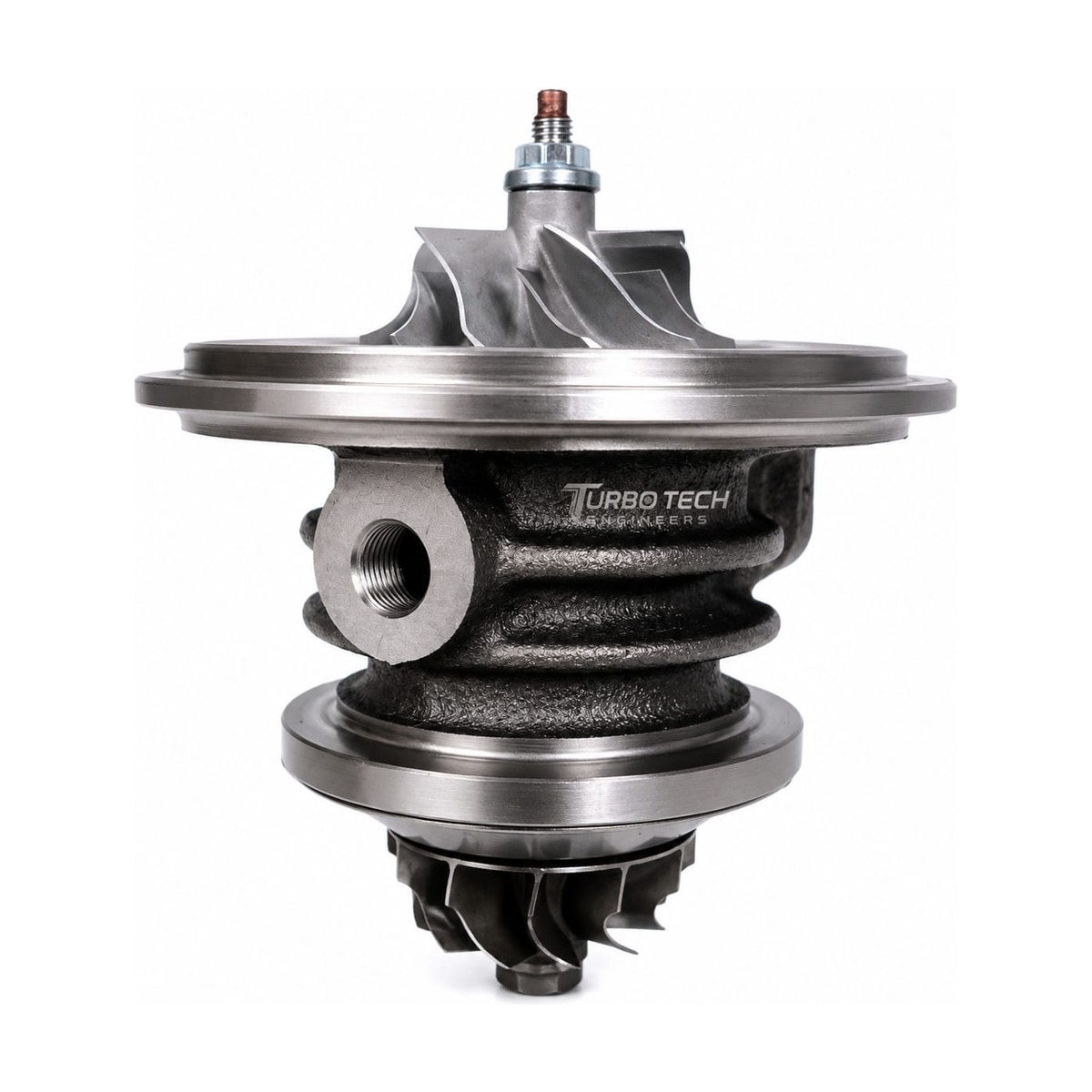
A turbocharger is one of the hardest-working components in a modern diesel engine, forcing extra compressed air into the cylinders so the engine can produce more power without needing to be bigger. Because it spins at extremely high speeds under constant heat and pressure, it's also one of the parts most likely to wear out — and catching the early warning signs can save you from a much more expensive repair down the line.
1. Loss of power or slow acceleration. If your vehicle feels sluggish, especially when climbing hills or overtaking, a turbocharger that's no longer building boost pressure properly is a common cause.
2. Excessive exhaust smoke. Blue-gray smoke usually means oil is leaking past worn turbo seals and burning in the exhaust. Black smoke can point to a boost leak or a turbo that isn't spinning fast enough to supply the air the engine needs.
3. A loud whining or siren-like noise. Turbochargers spin at extremely high RPM, and a damaged bearing or shaft often produces a distinct high-pitched whine that gets louder with engine speed.
4. Increased oil consumption. Worn turbo seals let engine oil leak into the intake and exhaust systems, so if you're topping up oil more often than usual, it's worth having the turbo checked.
5. Check engine light or boost pressure warnings. Most modern diesel engines monitor boost pressure electronically, and a failing turbo will often trigger a warning light well before the problem becomes obvious to the driver.
6. Visible damage or play in the turbine shaft. If a workshop can wiggle the turbine shaft by hand, or you can see chips or scoring on the turbine blades, the unit needs replacing — this kind of damage won't repair itself and will only get worse.
7. Metal shavings in the oil or exhaust. This usually signals catastrophic internal failure, often caused by oil starvation or a foreign object entering the turbo, and calls for immediate replacement before the debris causes further engine damage.
Please note: a failing turbocharger rarely fails in isolation — clogged oil lines, a damaged air filter, or a boost leak elsewhere in the system can all shorten a turbo's life, so it's worth having the whole intake and lubrication system inspected alongside a replacement.
At Turbo Tech Engineers, we've been supplying turbochargers and turbo core assemblies for trucks, buses and commercial vehicles since 1946. If you're seeing any of the signs above, browse our turbochargers on the Products page, or get in touch — our team can help you find the right replacement for your engine.